Alice Patton
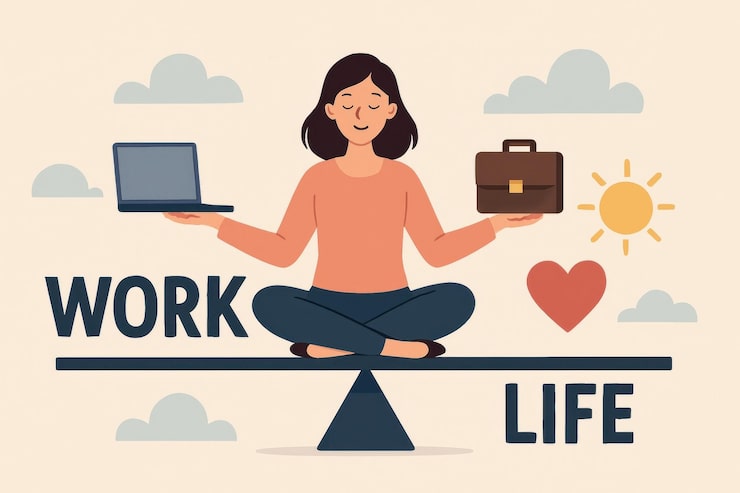
Work-life balance is not about splitting your day perfectly between work and personal life. It is about protecting your time and energy so neither work nor life feels constantly depleted. In a world where work can follow you everywhere, balance becomes an intentional practice, not a natural outcome.
This guide offers practical ways to create healthier boundaries, manage energy, and build a life that feels sustainable.
Understand That Balance Is Personal
Work-life balance looks different for everyone.
Some people thrive with structured routines. Others need flexibility. Comparing your balance to someone else’s often creates unnecessary pressure.
True balance is measured by how you feel, not how your schedule looks.
Recognize Where Your Energy Goes
Time is limited, but energy is even more precious.
Notice which activities energize you and which drain you. Work-life balance improves when you manage energy, not just hours.
Protecting energy helps you show up better in every area of life.
Set Clear Boundaries Around Work Time
Boundaries create freedom, not restriction.
This might mean defining work hours, limiting after-hours messages, or creating a physical separation between work and home spaces. Clear boundaries reduce mental spillover and emotional fatigue.
Work expands to fill the space you allow it.
Learn to Say No Without Guilt
Overcommitment is one of the biggest threats to balance.
Saying no does not mean you are unhelpful or unmotivated. It means you respect your limits. Every yes costs time and energy that could be used elsewhere.
Protecting balance often requires selective participation.
Build Daily Recovery Into Your Schedule
Rest should not be optional.
Short breaks, movement, quiet time, and moments of joy help reset your nervous system. Waiting for weekends or vacations to recover often leads to burnout.
Small, daily recovery habits create long-term resilience.
Separate Work Identity From Self-Worth
Many people tie their value to productivity.
When work becomes the main source of validation, balance disappears. Learning to see yourself as more than your output protects emotional health.
You are allowed to rest without earning it.
Create Transition Rituals Between Work and Life
Transitions matter more than we realize.
Simple rituals like changing clothes, taking a short walk, or closing your laptop intentionally signal the end of work. These moments help your mind switch modes.
Clear transitions reduce lingering stress.
Limit Digital Overload
Constant connectivity blurs boundaries.
Notifications, emails, and messages keep your mind in work mode. Setting limits around digital use helps reclaim mental space.
You do not need to be available all the time to be effective.
Prioritize Sleep and Physical Wellbeing
Balance collapses when the body is exhausted.
Sleep, movement, and nutrition directly affect emotional regulation and focus. Protecting these basics supports every other area of life.
Wellbeing is not a luxury. It is a foundation.
Make Space for What Matters Outside Work
Work-life balance is not only about work.
Time with loved ones, hobbies, creativity, and rest give life meaning. Protecting this time restores perspective and motivation.
Life should not feel like something squeezed around work.

Accept That Balance Changes Over Time
Balance is not static.
Busy seasons, personal changes, and new responsibilities shift priorities. Adjusting expectations instead of chasing a fixed ideal reduces frustration.
Flexibility is a key part of balance.
Common Mistakes That Disrupt Balance
Many people wait until they feel exhausted to change habits. Others assume balance will come naturally once things slow down.
Balance improves when it is practiced proactively, not reactively.
How to Start Protecting Your Time Today
You do not need to change everything at once.
Start by:
Setting one boundary
Creating one recovery habit
Letting go of one unnecessary obligation
Small changes create noticeable relief.
Final Thoughts: Balance Is an Ongoing Choice
Work-life balance is not achieved once and kept forever. It is built daily through choices that protect your time, energy, and wellbeing.
When you respect your limits, create boundaries, and prioritize recovery, work becomes more effective and life becomes more fulfilling.
Protecting your time is not selfish. It is how you sustain your energy for the things that matter most.


 admin
admin